Description
Rikkar Specs
| Specification | Details |
|---|---|
| Product Type | Canister-mounted backpacking stove |
| Stove Weight | 2.6 oz / 73 g |
| Fuel Type | Isobutane / propane |
| Fuel Connection | Threaded canister |
| Fuel Mixture | 80% isobutane / 20% propane |
| Heat Output | 13,200 BTU/h / 3.9 kW |
| Fuel Consumption | 280 g/h |
| Orifice Size | 0.31 mm |
| Pot Support | Folding |
| Flame Control | Adjustable |
| Ignition | Manual |
| Maximum Cookware Diameter | 8 in / 20.3 cm |
| Maximum Cookware Height | 5 in / 12.7 cm |
| Maximum Cookware Weight | 8 lb / 3.6 kg |
| Fuel Canister Compatibility | EN 417-compatible MSR isobutane/propane canisters |
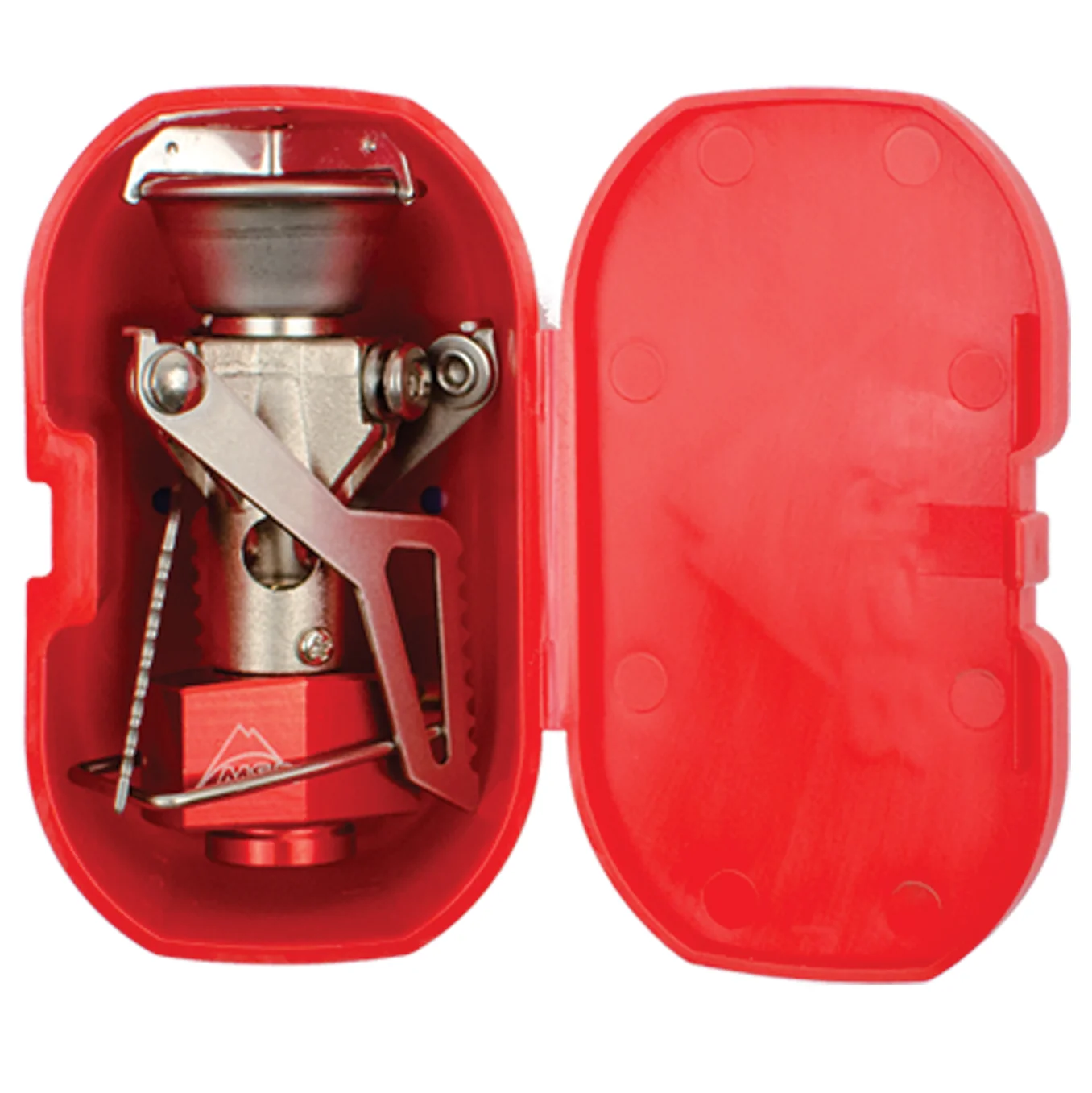
| Included | Stove and storage case |
Key Features
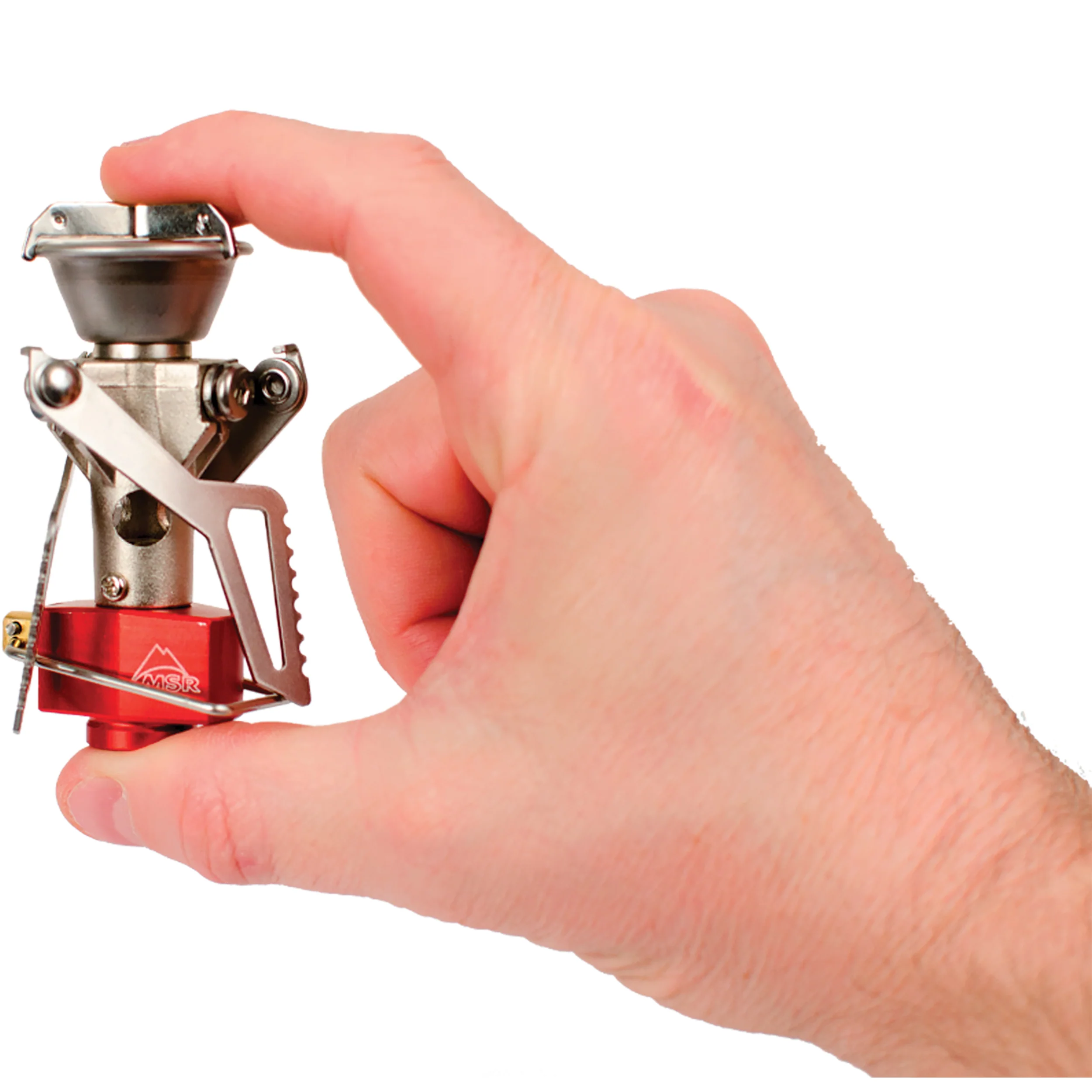
- Ultralight 2.6 oz / 73 g stove
- Compact folding design
- Powerful 13,200 BTU/h / 3.9 kW output
- Adjustable flame control
- Folding pot supports
- Compatible with threaded isobutane/propane canisters
- Designed for backpacking and outdoor cooking
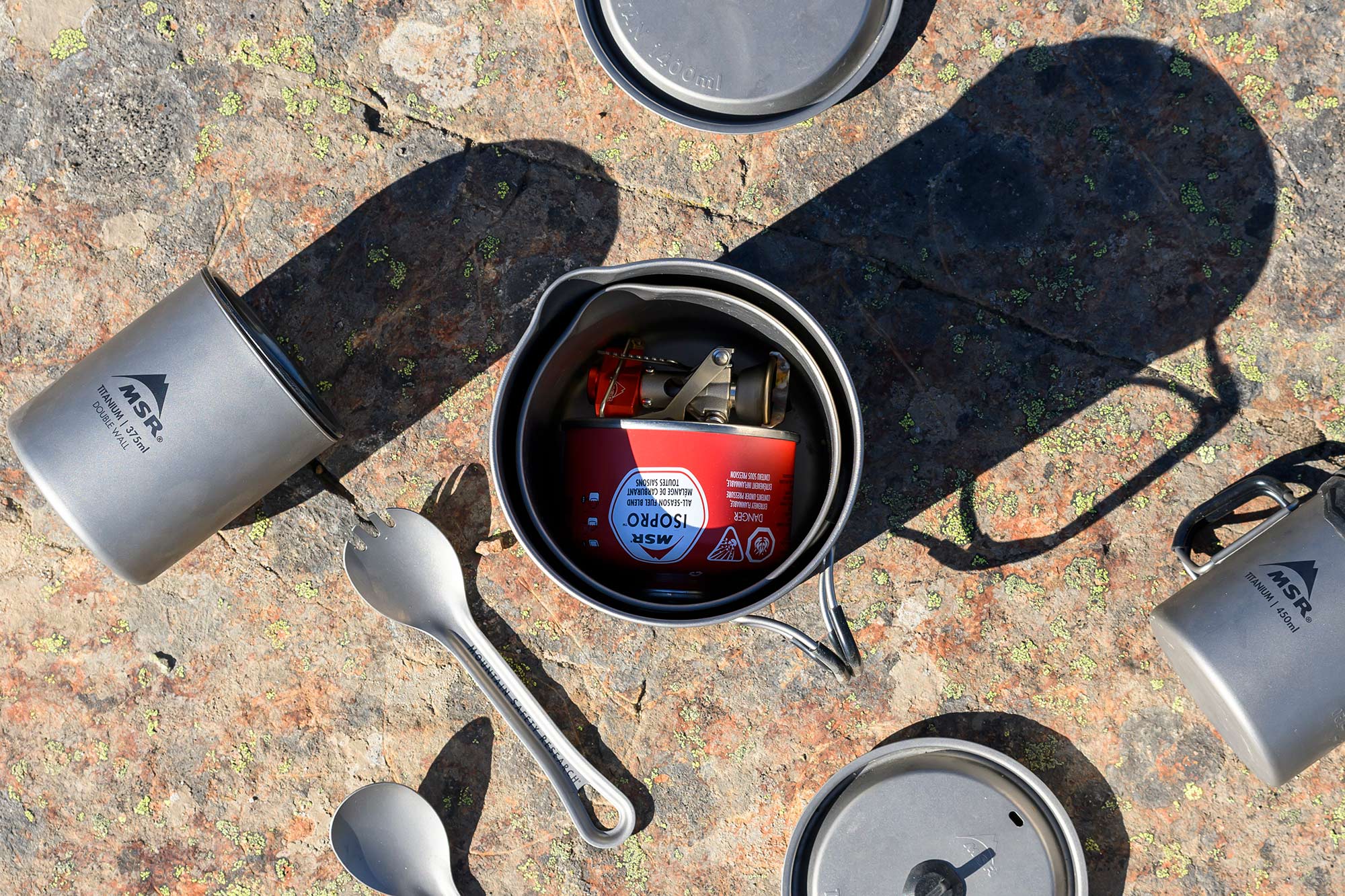
- Packs small enough to store inside many backpacking cook pots
- Stable platform for appropriately sized cookware
- Manual ignition
- Excellent simmering control for a minimalist canister stove
- No separate fuel line or bulky stove assembly
- Designed for outdoor use only
Weight & Packability
The PocketRocket 2’s biggest advantage is how little stove you have to carry.
At just 2.6 ounces, it’s light enough to make very little impact on a backpacking base weight. Unlike larger remote-canister stoves, the PocketRocket 2 connects directly to the top of the fuel canister, eliminating the need for a separate fuel hose and additional support hardware.
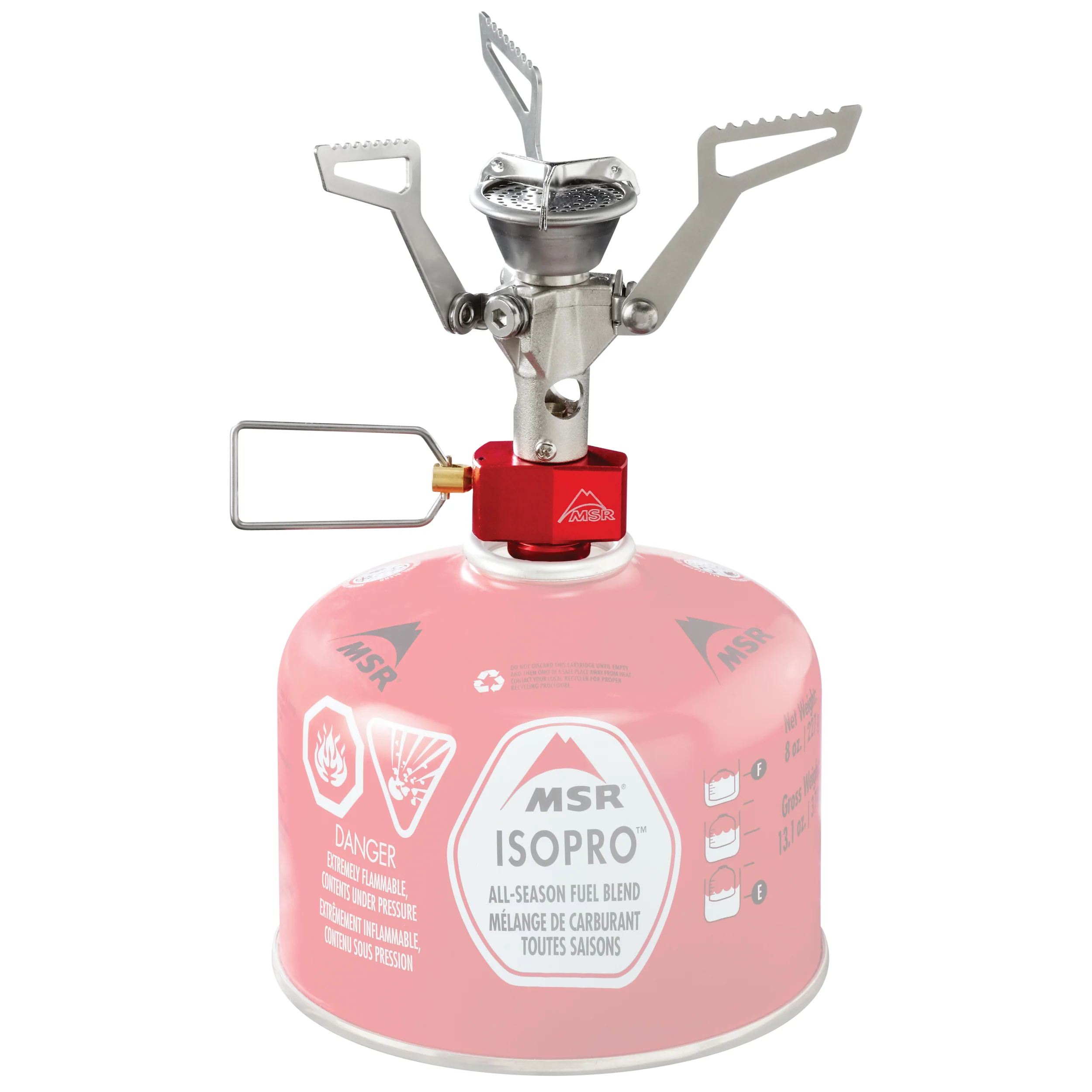
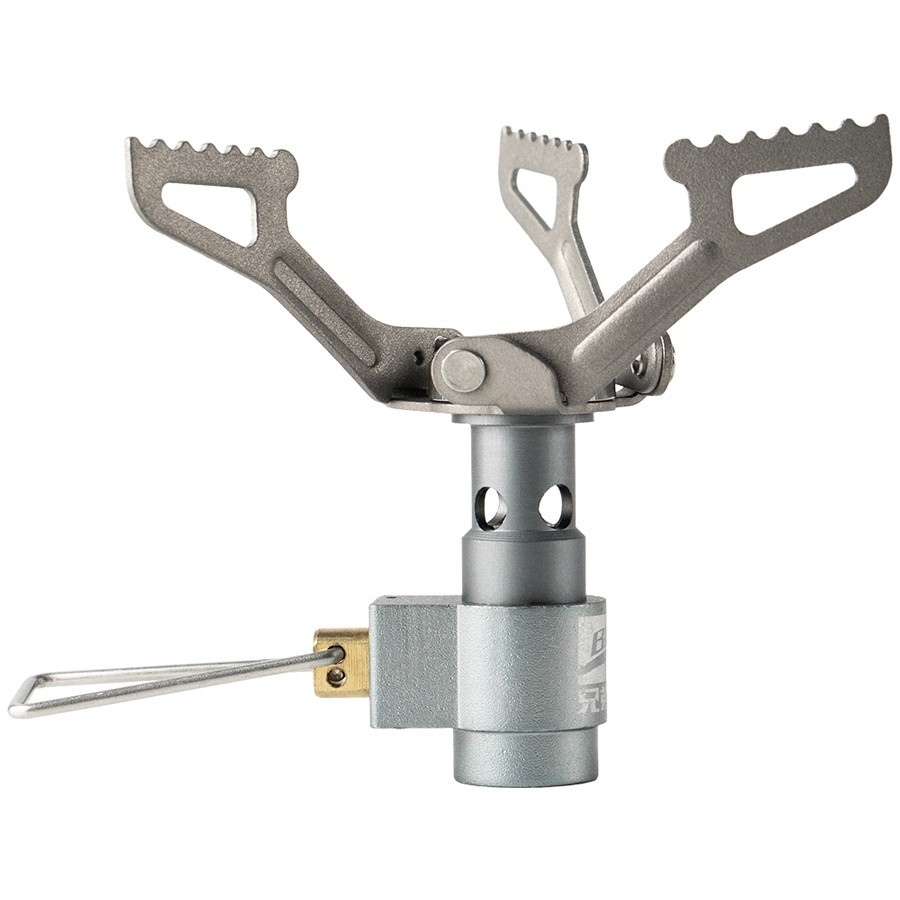
The pot supports fold inward when the stove isn’t being used, creating a compact package that can easily fit inside many backpacking pots.
For a solo backpacker carrying a small pot and fuel canister, the entire cooking system can therefore occupy remarkably little space.
This is exactly the type of design that makes sense for lightweight backpacking: keep the stove mechanically simple, eliminate unnecessary components, and make every part serve a useful purpose.
Cooking Performance
Despite its tiny size, the PocketRocket 2 produces a surprisingly powerful flame.
With a nominal heat input of 3.9 kW / 13,200 BTU/h, the stove has plenty of power for rapidly bringing water to a boil or heating meals.
For backpackers who primarily cook dehydrated meals, instant coffee, oatmeal, or other foods that require boiling water, the PocketRocket 2 provides more than enough performance.
The stove is also capable of much more than simply boiling water. Its adjustable flame control allows you to reduce the heat for simmering and more controlled cooking.
That makes it more versatile than an ultralight stove designed exclusively around maximum boil speed.
The main limitation is wind. Like most small top-mounted canister stoves, the PocketRocket 2 performs best when protected from strong wind. A sheltered cooking location can make a significant difference in efficiency and boil times.
Flame Control
The adjustable flame control is one of the PocketRocket 2’s most useful features.
Many minimalist backpacking stoves are optimized primarily for boiling water. That’s perfectly adequate for freeze-dried meals, but it can make actual cooking difficult.
The PocketRocket 2 gives you enough control to lower the flame and cook more gently when necessary.
That makes it a better choice for backpackers who occasionally cook real meals rather than simply boiling water.
You can run the stove aggressively when speed matters, then turn it down when you need more controlled heat.
For a stove weighing only 2.6 ounces, that level of control is a major part of its appeal.
Pot Supports
The PocketRocket 2 uses folding pot supports that create a stable platform for appropriately sized cookware.
When deployed, the supports provide enough surface area for small and medium backpacking pots while keeping the overall stove compact.
When packed away, they fold inward to reduce the stove’s footprint.
MSR specifies a maximum cookware diameter of 8 inches and a maximum cookware weight of 8 pounds. Those limits are important because a lightweight top-mounted stove is only as stable as the cookware and fuel-canister combination you’re placing on it.
For typical backpacking cookware, this isn’t a concern. The PocketRocket 2 is designed around small, lightweight pots rather than large camp cookware.
Fuel System
The PocketRocket 2 uses threaded fuel canisters containing an isobutane/propane mixture.
MSR specifies an 80% isobutane and 20% propane fuel mixture for its compatible canisters. The stove is designed around the common EN 417 threaded canister standard.
The direct-to-canister design keeps the system extremely simple.
There is no separate fuel hose, remote canister stand, or liquid-feed system to manage. You simply attach the stove to the fuel canister, unfold the pot supports, light the burner, and adjust the flame.
That simplicity is one of the reasons the PocketRocket design has become so popular among backpackers.
Ease of Use
The PocketRocket 2 is straightforward to operate once you understand the basic procedure.
The stove screws directly onto the fuel canister, the pot supports unfold into position, and the flame is controlled through the adjustable valve.
The PocketRocket 2 does not include an integrated piezoelectric igniter, so you need an external ignition source such as a lighter or matches.
For backpacking, this is not necessarily a major disadvantage. A lighter is already useful around camp, and eliminating the integrated igniter helps keep the stove simple and light.
The lack of an integrated ignition system also means there is one less component to potentially fail in the field.
Wind Performance
Wind is one of the areas where the PocketRocket 2 requires some attention.
The exposed burner and top-mounted canister design are optimized for low weight and simplicity rather than maximum wind resistance.
A strong breeze can disrupt the flame and reduce heating efficiency, increasing fuel consumption and cooking times.
The solution is to choose a naturally protected cooking location whenever possible. Rocks, logs, terrain features, or other natural barriers can help shield the stove from wind.
It’s important not to improvise a windscreen around the canister. MSR’s instructions specifically warn against using a windscreen with the PocketRocket 2 because excessive heat around the fuel canister can create a dangerous situation.
This is an important distinction: protect the stove from wind using your cooking position rather than enclosing the fuel canister with a windscreen.
What Is The PocketRocket 2 Best For?
The PocketRocket 2 is primarily designed for backpackers who want a simple, lightweight stove for boiling water and cooking meals in the backcountry.
It’s particularly well suited to solo hikers, thru-hikers, weekend backpackers, and anyone building a lightweight cook system around a small pot and threaded fuel canister.
It’s also a great choice for hikers who want more control than an ultra-minimalist boil-only stove provides.
The adjustable flame makes it useful for simmering and actual cooking, while the high-output burner gives you plenty of power when you simply need to boil water quickly.
For most three-season backpacking trips where you’re using standard canister fuel, the PocketRocket 2 provides a very practical balance of weight, power, and simplicity.
The Tradeoff
The PocketRocket 2’s main compromises are its exposed burner design, manual ignition, and sensitivity to wind.
There are newer stoves with integrated piezo igniters, more advanced burner designs, and improved wind performance. Some remote-canister systems are also more stable with larger pots.
The PocketRocket 2 isn’t trying to compete with those systems.
Its advantage is simplicity.
At 2.6 ounces, there isn’t much to go wrong and there isn’t much to carry. You get a powerful burner, adjustable flame control, folding pot supports, and a compact package.
The lack of a built-in igniter means you’ll need to carry a lighter or matches, but most backpackers should already have a backup ignition source in their emergency or cooking kit.
The stove is also not intended for oversized cookware. MSR specifies an 8-inch maximum cookware diameter and an 8-pound maximum cookware weight.
Safety
The PocketRocket 2 is a powerful open-flame appliance and should only be used outdoors in a well-ventilated area.
It should never be operated inside a tent, shelter, vehicle, or other enclosed space because the stove can produce carbon monoxide and presents a serious fire and explosion hazard.
MSR also specifies that the stove should be used only with appropriate compatible fuel canisters and warns against using a windscreen around the fuel canister.
Always place the stove on a solid, stable, level surface and keep combustible materials away from the cooking area. Allow the stove to cool before moving or packing it.
These aren’t unique concerns to the PocketRocket 2; they’re fundamental safety considerations for any canister-mounted backpacking stove.
Rikkar Take
The MSR PocketRocket 2 is a great example of why simple gear often works so well in the backcountry.
At just 2.6 ounces, it is exceptionally easy to justify carrying, yet it still produces a powerful 13,200 BTU/h flame and provides enough control for both rapid boiling and simmering.
We particularly like the direct-to-canister design. There’s no remote fuel line, no bulky support system, and no unnecessary complexity. The folding pot supports keep the stove compact when packed, while the adjustable valve gives you useful control once you’re cooking.
The lack of an integrated igniter is a minor inconvenience, but we don’t consider it a significant weakness. A lighter or matches are essential pieces of a backpacking emergency kit anyway, and the simpler design means one less component to worry about.
The biggest limitation is wind. The PocketRocket 2 performs best when you can find a naturally protected cooking location, and it isn’t the stove we’d choose if maximum wind resistance were the primary concern.
But for the typical backpacker who wants a lightweight, reliable, powerful canister stove, the PocketRocket 2 remains an excellent choice.
It’s small enough for ultralight backpacking, powerful enough to boil water quickly, controllable enough to cook real meals, and simple enough that there’s very little to think about.
For a straightforward three-season backpacking cook system, that’s a very compelling combination.
Reviews
There are no reviews yet.