Description
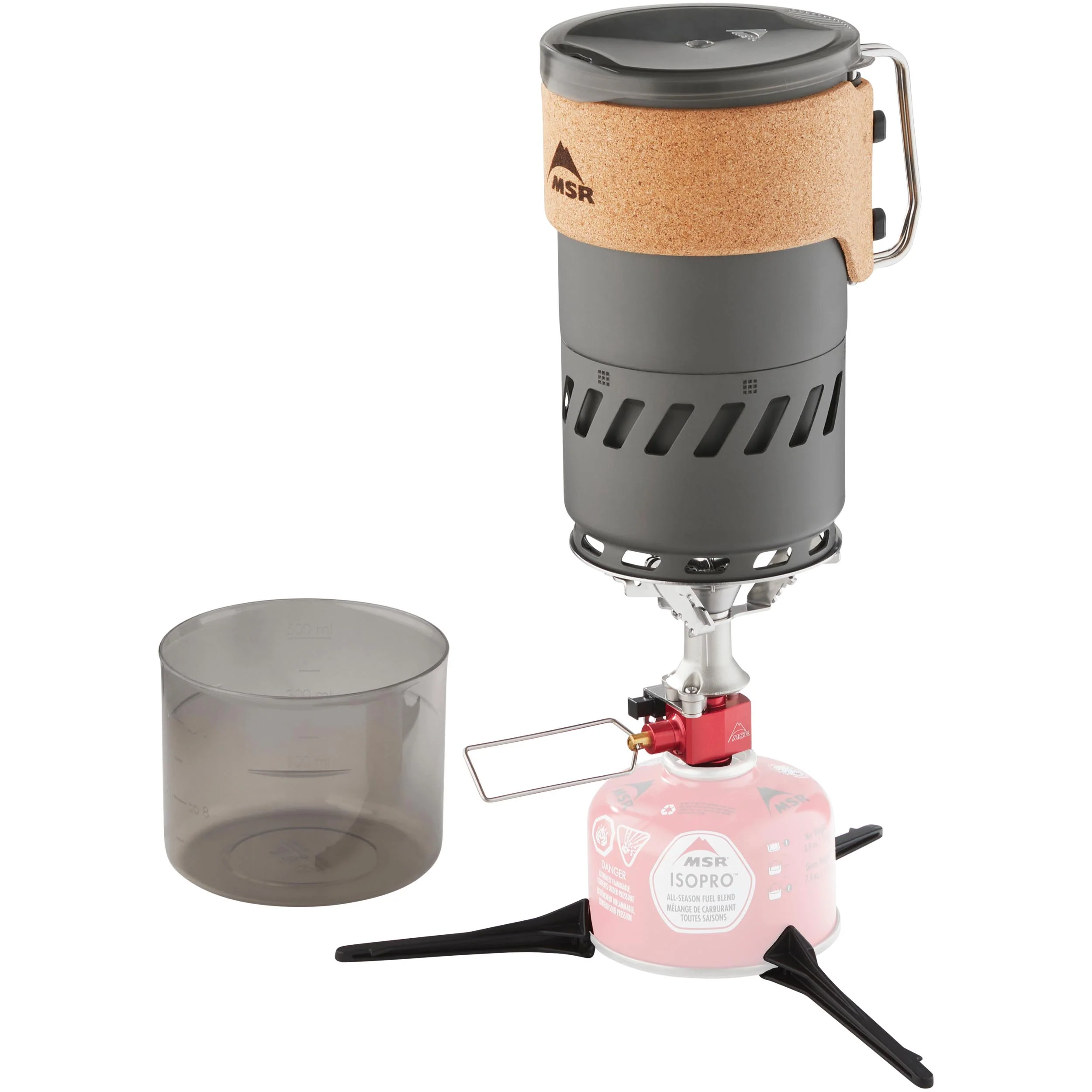
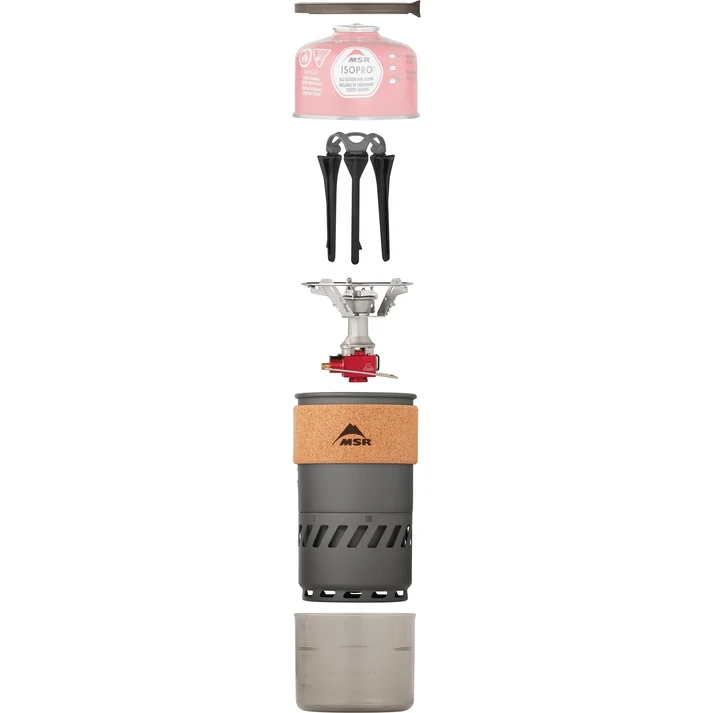
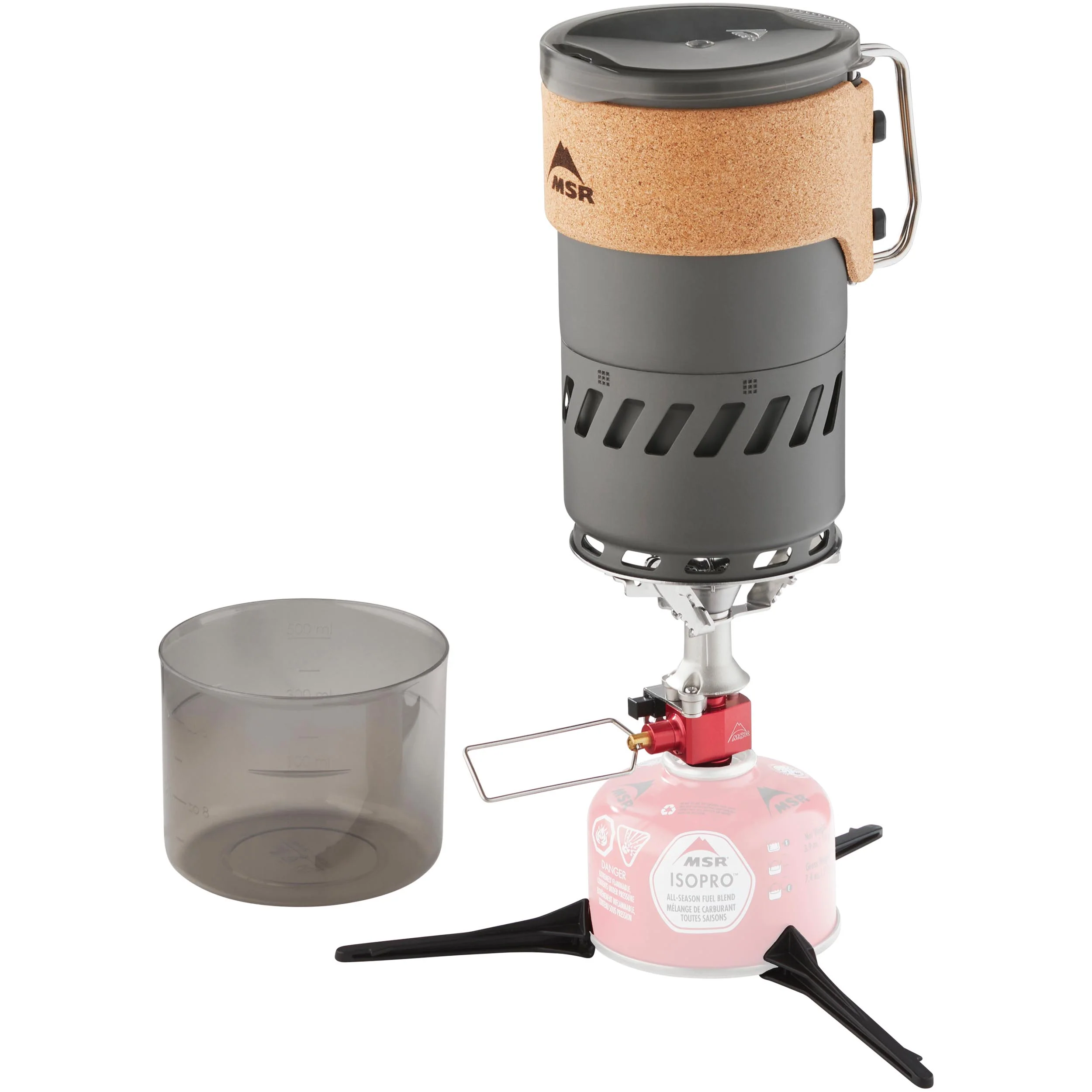
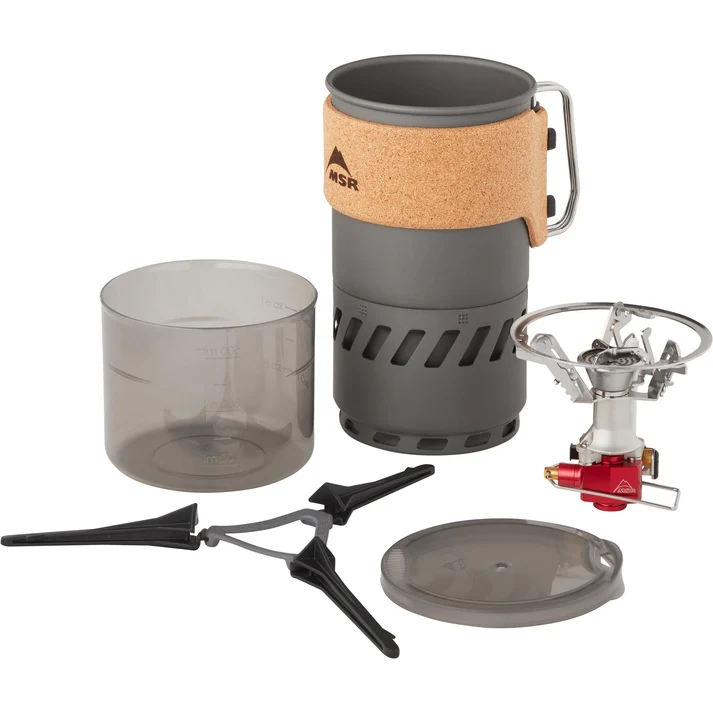
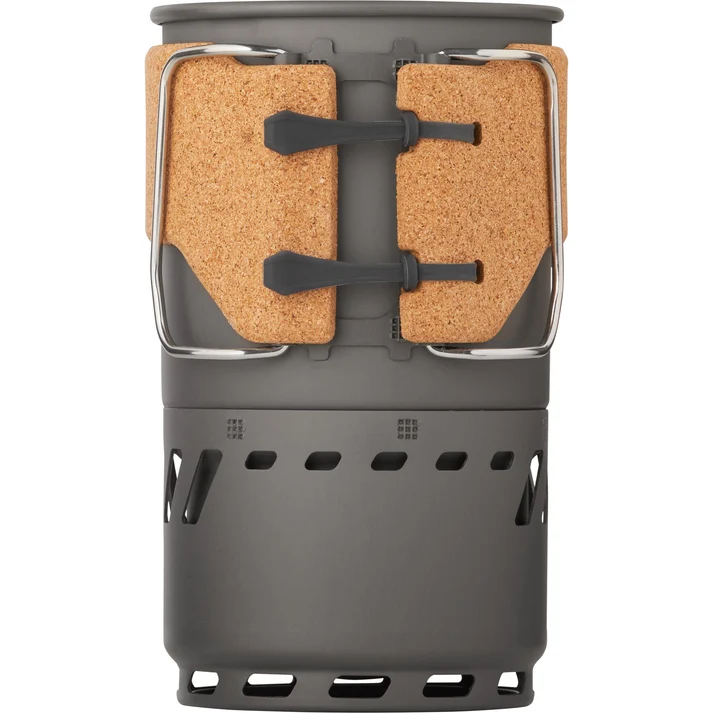
The complete Switch Stove System weighs 13.8 oz / 392 g, including the stove, 1-liter pot, lid, cork cozy, nesting bowl, and other included components. The stove itself weighs 4.1 oz / 117 g.
For ultralight hikers, this is heavier than a simple titanium pot and minimalist canister stove, but the additional weight provides considerably more cooking versatility.
Key Features
-
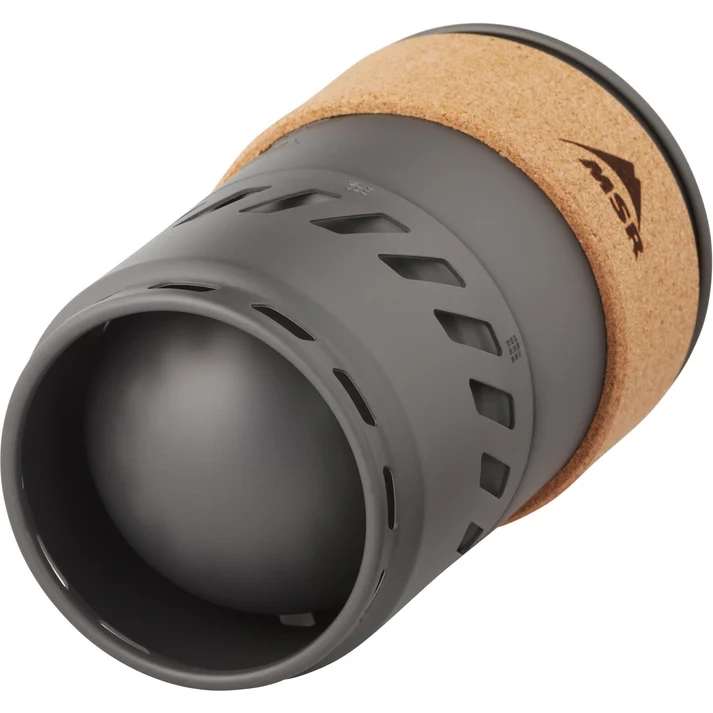
1-liter integrated cooking pot
-
13.8 oz / 392 g complete system weight
-
4.1 oz / 117 g stove weight
-
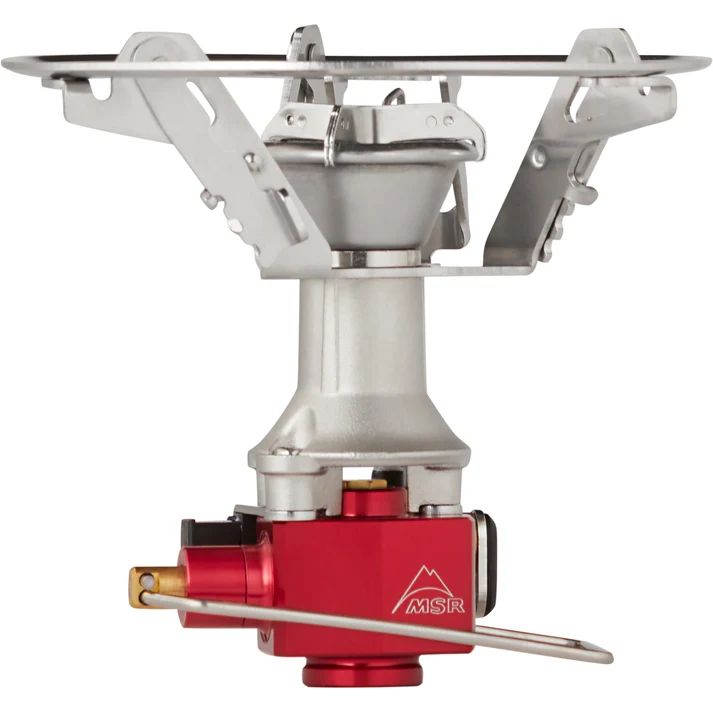
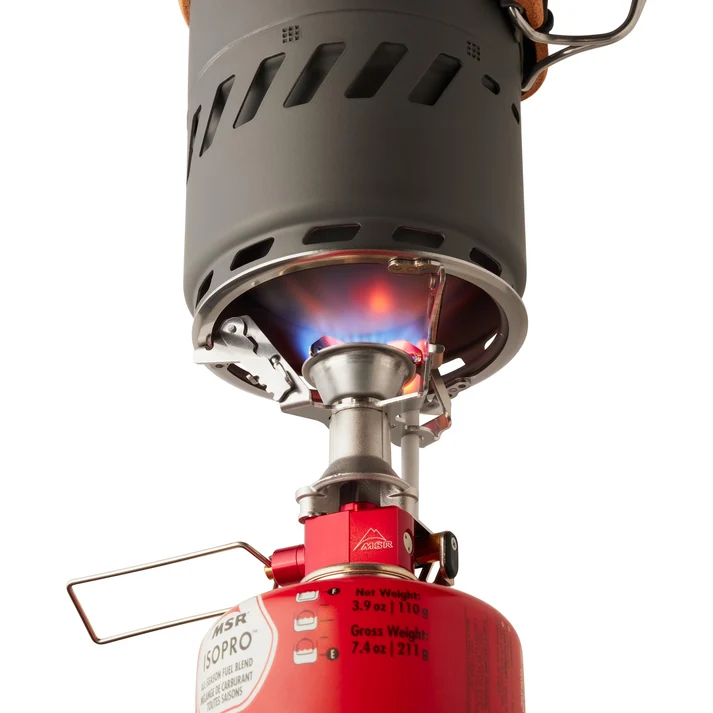
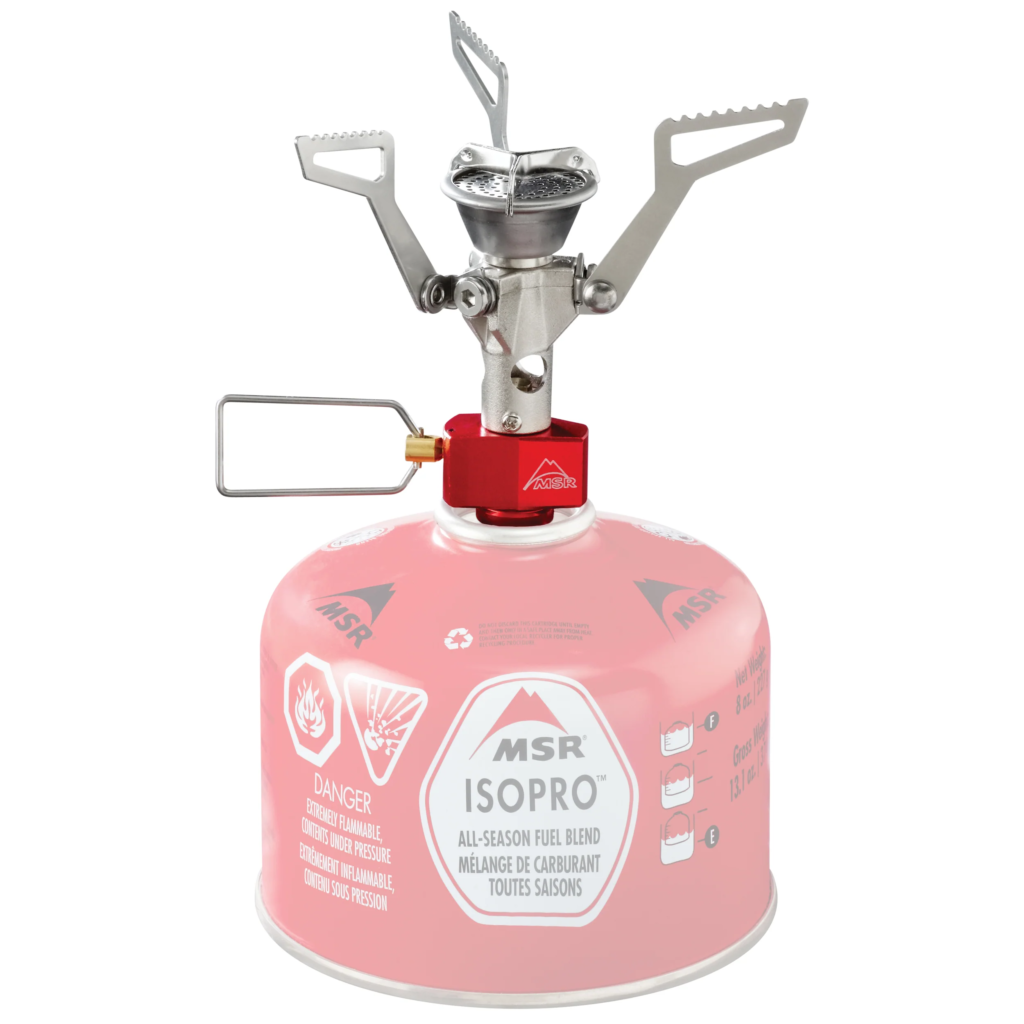
Pressure-regulated burner
-
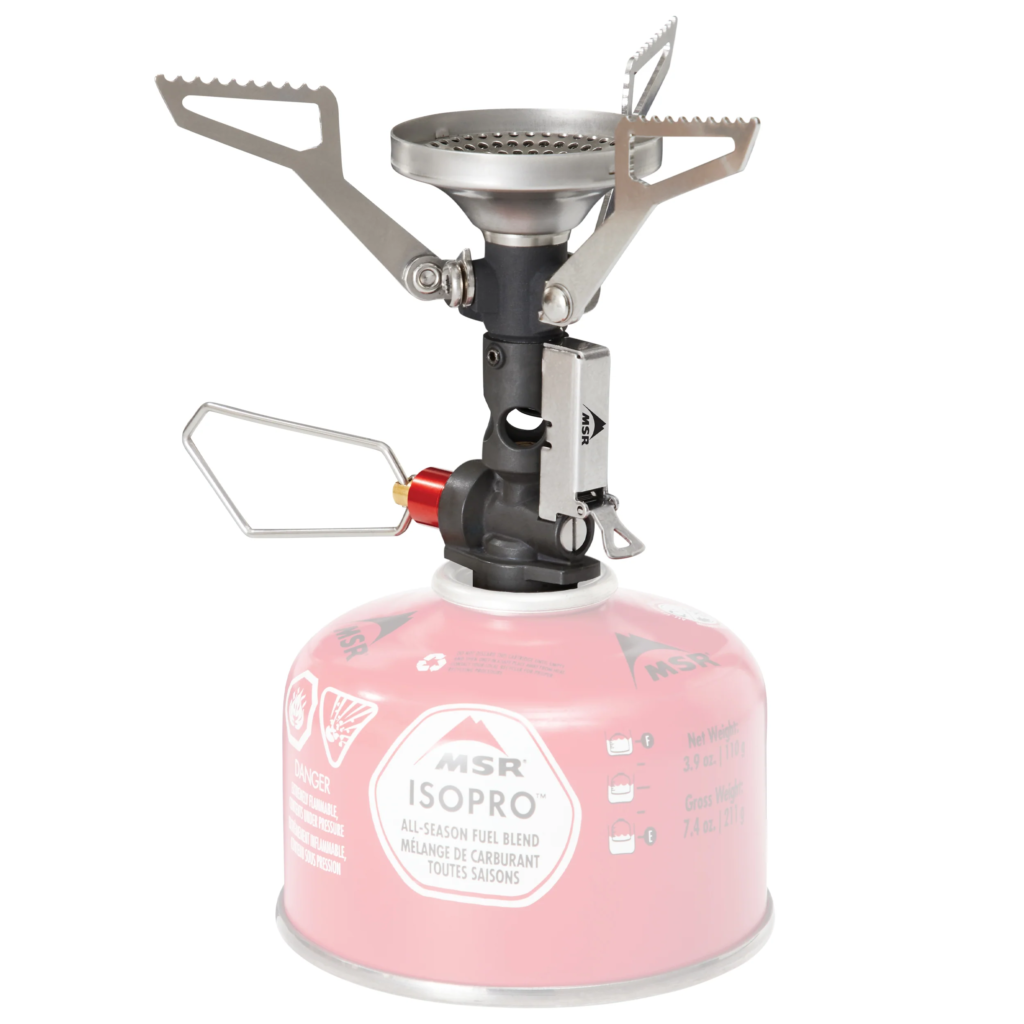
Built-in piezo ignition
-
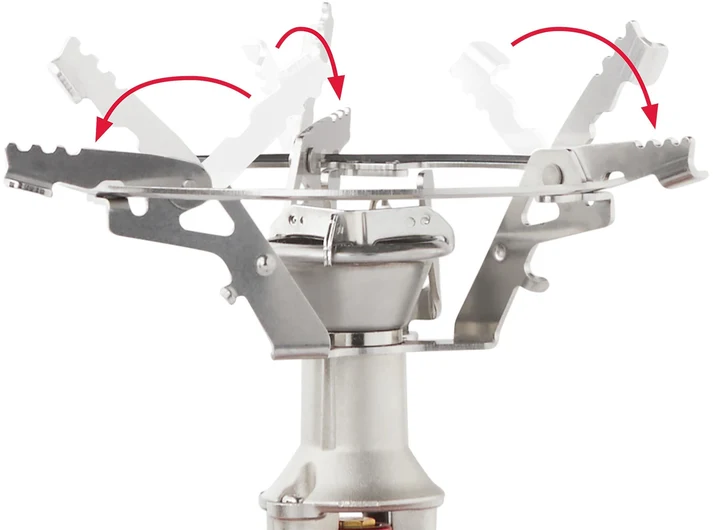
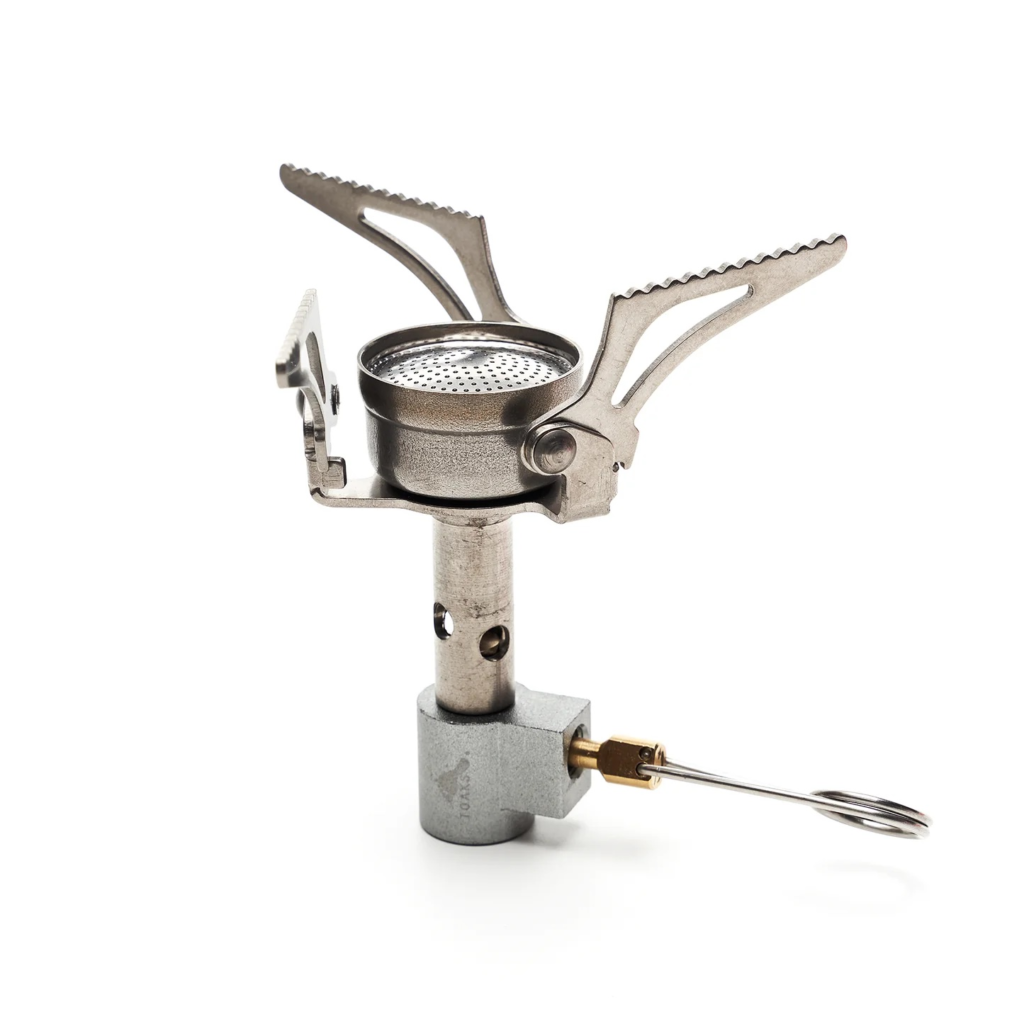
Flip-out pot supports
-
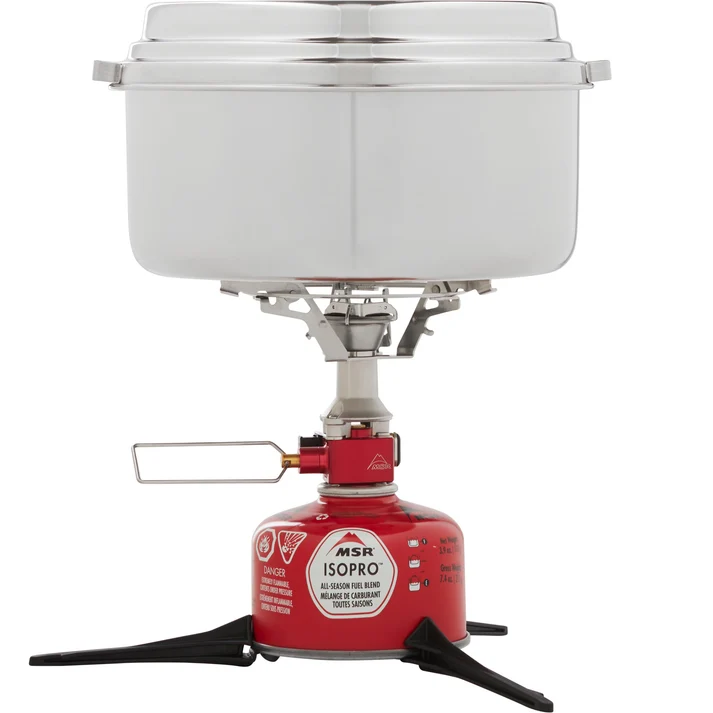
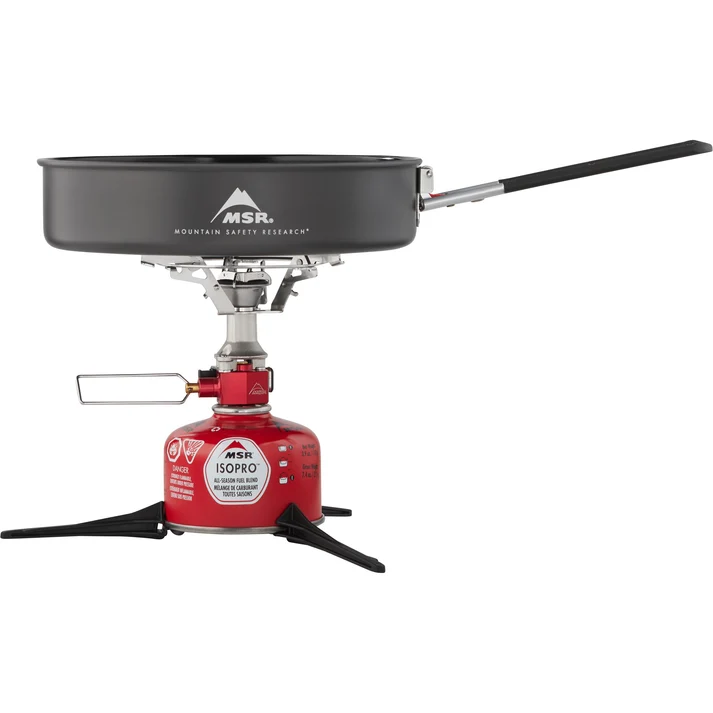
Compatible with cookware up to 8 inches in diameter
-
Removable cork pot cozy
-
Strainer lid
-
Nesting bowl
-
Canister stand
-
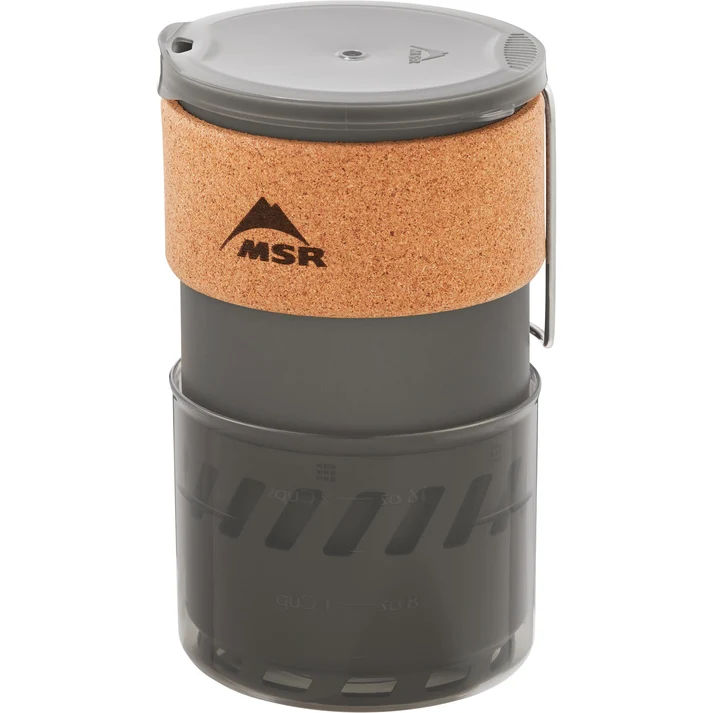
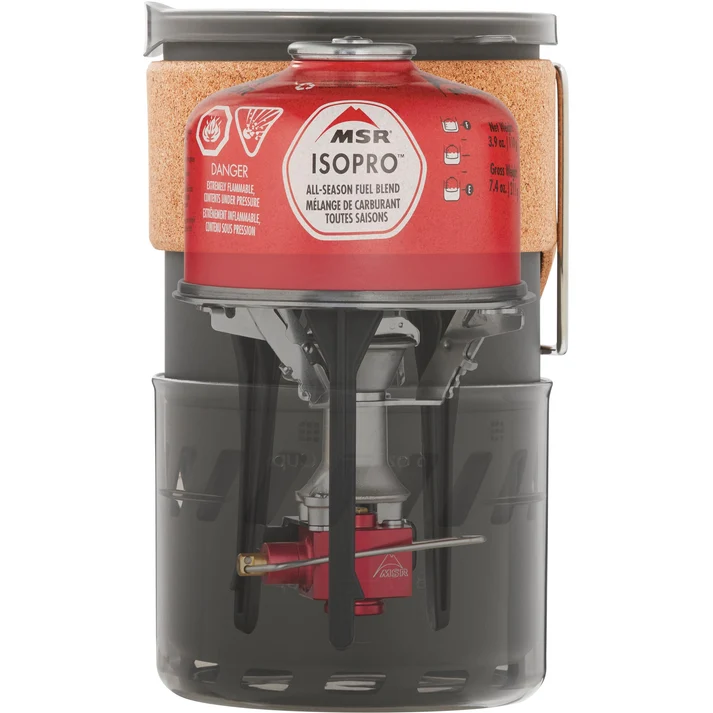
Compact nesting design
-
Approximately 2.5-minute boil time for 0.5 L
-
Designed for isobutane-propane fuel
Why We Like It
The Switch’s biggest advantage is versatility.
In its standard configuration, it works as a compact integrated stove system that’s convenient for boiling water, making coffee, rehydrating meals, or cooking simple backpacking meals.
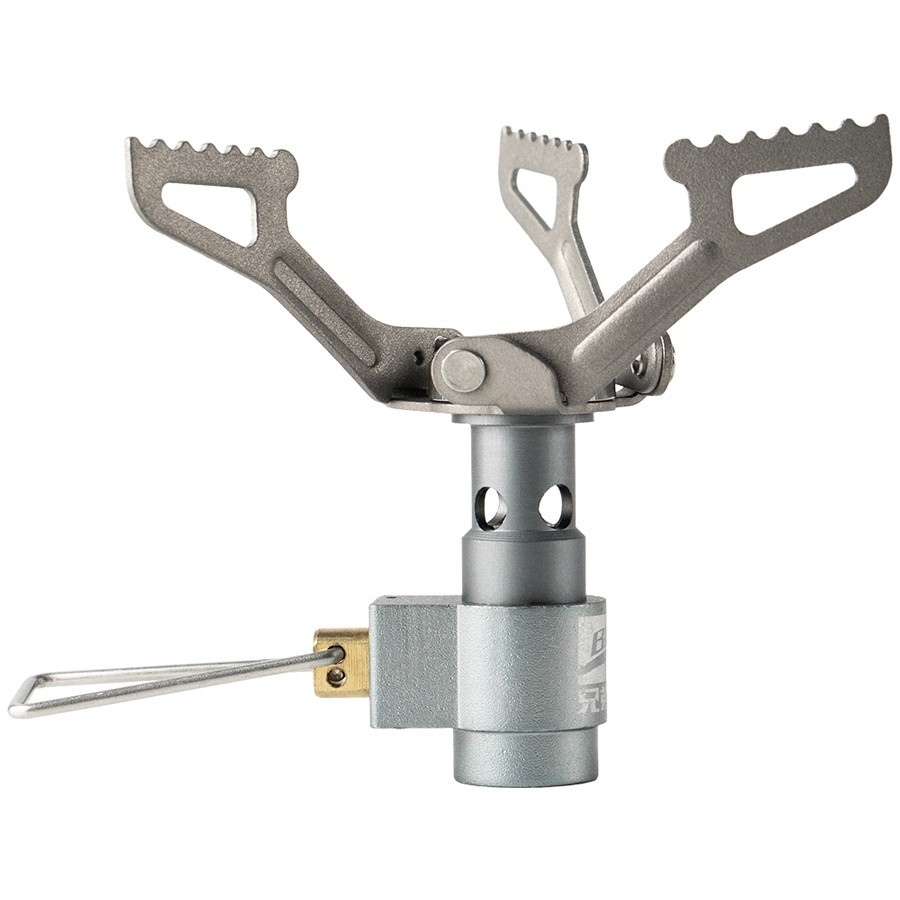
But unlike many integrated systems, the Switch can also function as a conventional stove. Flip out the pot supports and you can use compatible pots and pans up to 8 inches in diameter.
The pressure regulator is another useful feature. It helps maintain more consistent burner performance as fuel pressure changes, which is particularly valuable in colder temperatures and at higher elevations.
The Tradeoff
The Switch isn’t the lightest stove system available.
If your backpacking meals consist almost entirely of boiling water, a minimalist canister stove and titanium pot will generally make more sense for an ultralight setup.
You’re also carrying several components—the integrated pot, bowl, cozy, lid, and canister stand—that add weight but contribute to the system’s versatility.
The Switch is also more of a solo-oriented cooking system. Its 1-liter pot is excellent for one person, but hikers regularly cooking larger meals for multiple people will likely want a larger conventional cooking setup.
Who It’s For
The Switch makes the most sense for hikers who:
-
Want an integrated stove system with additional versatility
-
Cook more than just freeze-dried or dehydrated meals
-
Want the option to use conventional cookware
-
Appreciate pressure-regulated performance
-
Backpack in colder conditions or at higher elevations
-
Want built-in ignition
-
Prefer a compact cooking system that nests together
-
Are willing to carry a little extra weight for increased cooking flexibility
It’s less compelling for hikers who prioritize the absolute lowest possible cooking-system weight and primarily boil water.
Rikkar Take
The MSR Switch occupies an interesting middle ground between a minimalist backpacking stove and a full-featured cooking system.
It’s not the stove we’d choose simply to save every ounce, but that’s not really what the Switch is trying to be. Its appeal is having one compact system that can handle quick water boils while still giving you the option to cook with conventional cookware.
For solo backpackers who enjoy actually cooking on the trail, that flexibility can justify the additional weight. The pressure regulator, integrated pot, built-in ignition, and conventional cookware compatibility make the Switch considerably more versatile than a basic ultralight stove setup.
If your priority is maximum simplicity and minimum weight, there are lighter options. If you want a compact system that gives you room to cook beyond just boiling water, the Switch is a more interesting proposition.
Reviews
There are no reviews yet.